
Understanding Esketamine Therapy
Esketamine works differently from traditional antidepressant medications by targeting glutamate pathways within the brain rather than serotonin or noradrenaline systems. This unique mechanism is believed to promote neural plasticity, helping the brain form new connections that may improve mood, emotional regulation, and resilience.
Research has shown that esketamine therapy can produce rapid improvements in symptoms for some individuals, particularly those experiencing treatment-resistant depression. Ongoing research also suggests potential benefits for selected patients living with other mental health conditions.
While many patients experience meaningful improvement, treatment outcomes vary between individuals and no specific clinical outcome can be guaranteed.
Conditions That May Benefit
Following a comprehensive psychiatric assessment, esketamine therapy may be considered for people experiencing:
- Treatment-resistant depression
- Major depressive disorder
- Anxiety disorders (where clinically appropriate)
- Post-traumatic stress disorder (PTSD) in selected cases
Is Esketamine Therapy Right for You?
Before commencing treatment, every patient undergoes a comprehensive assessment to ensure esketamine therapy is both appropriate and safe. Your assessment may include:
- A detailed psychiatric evaluation
- Review of previous treatments and medications
- Mental health questionnaires and symptom rating scales
- Medical history review
- Physical health assessment
- Blood tests where clinically indicated
- Review of current medications
- Assessment of potential risks and contraindications
General Eligibility
Esketamine therapy may be suitable for patients who:
- Meet the clinical criteria determined by their treating psychiatrist
- Are medically appropriate for treatment
- Are not pregnant or breastfeeding
- Do not have significant uncontrolled cardiovascular or neurological conditions
- Are able to attend regular treatment sessions and follow-up appointments
- Have appropriate post-treatment support available where required
Final suitability is determined solely by your treating psychiatrist following a comprehensive assessment.
PBS Eligibility
As of May 1st, 2025, Esketamine is subsidised under the Pharmaceutical Benefits Scheme (PBS) in Australia for patients with treatment-resistant depression (TRD). To access the PBS subsidy, patients must:
- Be diagnosed with treatment-resistant depression
- Have trialled at least two other antidepressants without success
- Be treated by an AHPRA-registered psychiatrist
- Receive treatment in an approved clinical setting
Self-funding is also available. Some Private Health Insurers or other organisations such as DVA, WorkCover or ADF may cover some of the cost of this treatment.
Possible Side Effects
Esketamine therapy is generally well tolerated when administered in a supervised medical setting. Common side effects may include:
- Feeling detached or "spacey"
- Dizziness or light-headedness
- Temporary changes in perception or vision
- Mild increases in blood pressure or heart rate
- Headache
- Nausea
- Vomiting
- Fatigue
These effects are usually temporary and resolve during the observation period following treatment. Our clinical team closely monitors every patient throughout the session.
Your Treatment Day
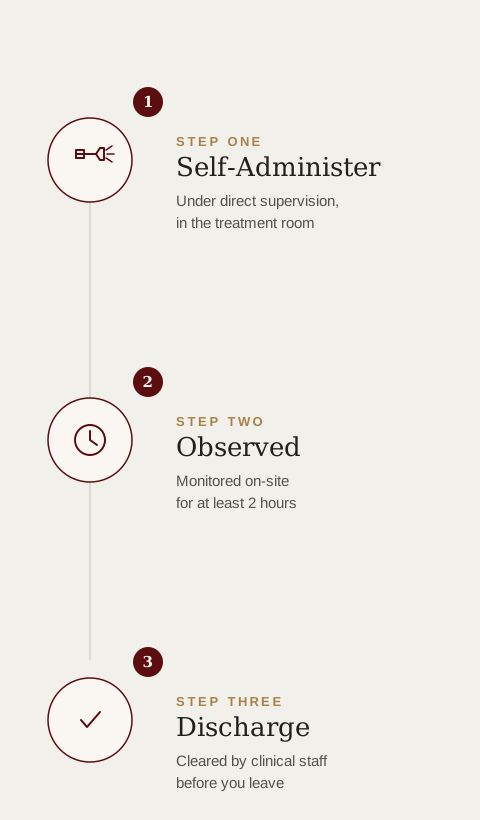
Esketamine treatment is provided on an outpatient basis within our purpose-designed clinical environment. On the day of treatment, you are encouraged to wear comfortable clothing.
For Your Safety
- • You must arrange for a responsible adult to accompany you home.
- • You must not drive, operate machinery, or make important legal or financial decisions until advised by your treating clinician, typically for at least 12 hours following treatment.
Intranasal Esketamine
For patients prescribed intranasal esketamine, treatment is delivered in accordance with current clinical guidelines and your psychiatrist's recommendations.

Induction Phase
2x
sessions per week for ~4 weeks
Maintenance Phase
1x
session per week for ~4 weeks
Observation
2hr
clinical monitoring post-treatment
Our Approach
At Stirling Health Hub, esketamine therapy forms part of a comprehensive mental health treatment plan rather than a standalone intervention. Throughout your treatment journey, our psychiatrists and clinical team work closely with you to monitor your progress, review your response to treatment, and adjust your care plan where appropriate.
Our goal is to provide safe, compassionate, and evidence-based care tailored to your individual needs while supporting your long-term mental health and wellbeing.
Booking Fee & Cancellation Policy
A $100 booking fee is required for all new patient appointments. This fee will be applied toward your appointment. If an appointment is cancelled with less than 24 hours' notice or is missed without notification, a $100 cancellation fee will apply. For new patients, the booking fee will be retained as the cancellation fee. If an emergency or illness prevents attendance, please contact us as soon as possible.